How Regulated Aesthetic Courses support practitioners stay updated on advanced techniques
Why Regulated Aesthetic Courses Are Essential for Constructing a Safe, Specialist Method
Regulated aesthetic courses play a substantial duty in promoting expert and risk-free practices within the aesthetic industry (Ofqual Regulated Beauty Courses). These programs equip experts with crucial knowledge about composition, safety procedures, and the most up to date techniques. They also assist ensure compliance with legal requirements, which is critical in preserving both customer security and professional credibility. Nonetheless, the implications of such training prolong beyond plain conformity. Understanding the broader influence on client trust fund and industry responsibility raises essential concerns concerning the future of aesthetic techniques
The Value of Safety in Aesthetic Treatments
The significance of safety in aesthetic therapies can not be overemphasized. As the need for cosmetic procedures grows, guaranteeing patient safety ends up being vital. Aesthetic experts must abide by strict security procedures to decrease threats and issues. This includes recognizing the anatomy, recognizing prospective negative reactions, and utilizing proper strategies. Clients should have to obtain treatments in a controlled setting where health and equipment standards are maintained. In addition, making use of managed courses assurances that specialists are well-trained and well-informed about the most up to date safety and security guidelines. By focusing on safety and security, practitioners not just safeguard their customers but also foster trust and reputation in their techniques. Eventually, a dedication to security adds to the overall success and sustainability of the aesthetic sector.
Understanding the most up to date Techniques and Developments
Technology in aesthetic therapies is a driving pressure behind the evolution of the sector. Advancements in techniques such as micro-needling, laser treatments, and non-invasive body contouring have changed the way practitioners approach individual treatment. These technologies not only boost results yet additionally prioritize client comfort and safety. The combination of synthetic intelligence in treatment planning allows for individualized strategies, maximizing end results based on specific client needs. Additionally, new items and products are constantly established, providing enhanced efficacy with fewer adverse effects. Remaining updated on these innovations is vital for practitioners, ensuring they can supply the most effective care while sticking to industry requirements. This dedication to finding out ultimately fosters an extra efficient and responsible aesthetic method.
Building Client Depend On With Regulated Education
Regulated education and learning plays an essential role in fostering trust in between practitioners and customers in the aesthetic industry. They show a dedication to expertise and proficiency when specialists undertake organized training and certification. This official education and learning guarantees that aesthetic treatments are carried out safely and effectively, providing customers with confidence in the abilities of their selected expert. Customers are most likely to count on specialists who have actually satisfied sector standards and laws, as this indicates a thorough understanding of methods, safety protocols, and ethical practices. Regulated education and learning urges continuous learning, permitting experts to stay upgraded with the most recent developments. Because of this, clients can really feel secure knowing their aesthetic therapies are handled by experienced, professional people committed to supplying high-grade care.
The Function of Responsibility in Aesthetic Practices
While responsibility is usually ignored, it offers as a foundation of ethical practice in the aesthetic sector. Experts must follow well established standards and protocols to assure client safety and security and contentment. Responsibility fosters a culture of transparency, where practitioners take responsibility for their activities and choices. This includes keeping accurate documents, acquiring educated approval, and actively participating in continuous education and learning. By holding themselves liable, aesthetic professionals demonstrate their commitment to top quality care and honest standards. In addition, responsibility systems, such as regulative bodies and peer evaluations, create a structure that dissuades negligence and promotes ideal methods. Inevitably, a strong responsibility system is essential for maintaining trust and stability within the aesthetic field, profiting both experts and their customers.
Enhancing Professionalism in the Aesthetic Industry
Expertise in the aesthetic industry is increasingly acknowledged as an essential element in improving customer count on and complete satisfaction. Experts who adhere to high criteria of professionalism and trust develop a setting that promotes favorable customer experiences. This consists of preserving a clean, secure practice room, communicating properly, and demonstrating moral habits. Educating programs that emphasize expertise outfit experts with the needed abilities to navigate customer connections and address problems promptly - Ofqual Regulated Beauty Courses. Additionally, professionalism and reliability includes staying updated with market improvements and finest methods, ensuring that clients obtain informed and suitable treatment. By focusing on professionalism and reliability, aesthetic practitioners can identify themselves in an open market, eventually resulting in increased customer commitment and favorable recommendations. As a result, the whole market advantages from a track record improved depend on and quality
Legal Requirements and Compliance in Aesthetic Training
Lawful needs and conformity are vital elements of aesthetic training, guaranteeing that professionals fulfill established regulative criteria. These criteria not only safeguard public wellness and safety however likewise underscore the importance of certification in the sector. Comprehending these demands is necessary for both training organizations and aspiring aesthetic professionals.
Regulatory Specifications Review
Regulative criteria play a vital duty in guaranteeing the quality and safety and security of aesthetic training programs. Regulated Aesthetic Courses. These requirements incorporate a variety of lawful needs that training institutions need to comply with, including curriculum material, teacher certifications, and facility safety and security steps. Conformity with these guidelines not only helps maintain high educational requirements but also safeguards the health and wellness and health of clients obtaining aesthetic therapies. Different governing bodies manage these laws, ensuring that anchor programs are routinely upgraded to mirror advancements in the area. Organizations supplying aesthetic training must demonstrate adherence to national and regional guidelines to achieve accreditation. This dedication to regulatory compliance cultivates trust in between customers and practitioners, ultimately adding to a much safer aesthetic practice environment
Significance of Accreditation
While pursuing a career in looks, acquiring qualification is essential for specialists to guarantee conformity with lawful demands and market criteria. Qualification serves as an official recommendation of an expert's credentials, ensuring they have the required skills and expertise to execute aesthetic procedures safely and efficiently. Additionally, it boosts public trust fund, as clients usually seek guarantee that their providers are thoroughly educated and comply with regulative guidelines. Compliance with certification needs likewise mitigates the danger of lawful effects originating from negligence or insufficient training. Furthermore, licensed practitioners are often better positioned in the competitive task market, as companies focus on candidates that show dedication to expert development and adherence to market standards. Ultimately, qualification is a foundation of a trustworthy aesthetic practice.
The Long-Term Advantages of Purchasing Regulated Courses
Spending in managed aesthetic courses can produce considerable long-term benefits for specialists in the appeal market. To start with, these courses enhance skillsets, making sure professionals continue to be upgraded with the most recent methods and safety and security procedures - Regulated Aesthetic Courses London. This understanding cultivates self-confidence, allowing specialists to provide high-grade solutions that meet client assumptions
Moreover, completing managed courses frequently causes enhanced trustworthiness and trust fund amongst customers, which can equate right into a devoted customer base and increased recommendations. In addition, experts might discover that their marketability improves, permitting them to command greater charges for their competence.
Finally, continuous education and learning can open up doors to occupation innovation chances, such as specialized functions or supervisory settings within the market, adding to greater task fulfillment and financial stability in the long run. (Regulated Aesthetic Courses London)
Regularly Asked Concerns
What Kinds of Aesthetic Therapies Call For Regulated Training?
Aesthetic treatments needing managed training include injectables like Botox and dermal fillers, chemical peels, laser hair elimination, microneedling, and progressed skin care treatments. Correct training assurances security, effectiveness, and adherence to industry criteria in aesthetic practices.
Exactly How Can I Find Accredited Aesthetic Courses?
People looking for accredited aesthetic courses can research trusted institutions on-line, consult specialist associations, and check out testimonials. Connecting with market experts additionally aids determine recognized programs that meet accreditation requirements and guarantee comprehensive training.

Are Online Aesthetic Courses Considered Valid and Regulated?
Online aesthetic courses can be valid if approved by acknowledged establishments. Nonetheless, regulation differs by jurisdiction, making it vital for people to verify certification and assurance that courses satisfy industry standards for safety and professionalism and reliability.
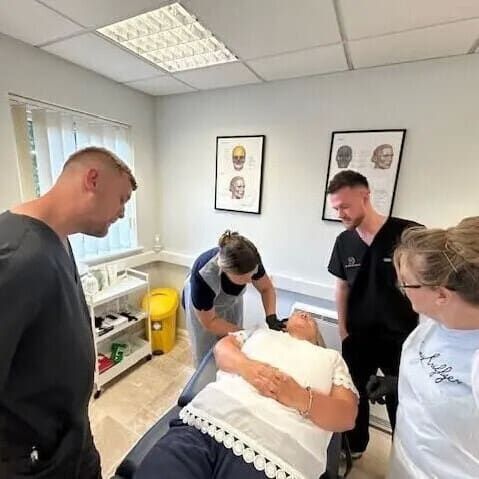
What Is the Price of Regulated Aesthetic Training Programs?

The price of regulated aesthetic training programs generally varies from $1,000 to $5,000, relying on the organization, training course length, and included products (Ofqual Regulated Beauty Courses). Elements like area and specialization may further influence rates variants
Exactly how Usually Do I Required to Renew My Aesthetic Qualification?
Regulated aesthetic courses play a considerable role in cultivating professional and secure practices within the aesthetic market. Aesthetic specialists should stick to rigorous security methods to decrease difficulties and threats. Regulated education and learning plays a critical function in promoting trust fund in between practitioners and customers in the aesthetic market. By focusing on expertise, aesthetic experts can differentiate themselves in a competitive market, ultimately leading to boosted customer commitment and favorable recommendations. Legal needs and compliance are important parts of aesthetic training, making certain that practitioners fulfill well established governing standards.